Why catfish

The health benefits and everyday uses of catfish

Catfish (Clarias gariepinus) is the most popular farmed fish in Nigeria, and for good reason. It is affordable, endlessly versatile in the kitchen, and one of the healthiest proteins you can put on a plate. Here is what it actually does for your body — and all the ways Lagos homes and kitchens use it.

Strong, lean protein for the whole family

A single kilogram of catfish delivers enough complete protein for a family meal at a fraction of the cost of beef or chicken breast — with very little saturated fat. It is filling, easy to digest and gentle on the stomach, which is why it is the go-to protein for children, the elderly and people recovering from illness.
Good for your heart

The omega-3 fatty acids in catfish (EPA and DHA) are linked to healthier triglyceride levels, steadier blood pressure and a lower risk of irregular heartbeat. Swapping red meat for fish two or three times a week is one of the simplest heart-healthy changes a Nigerian household can make.

Brain, eyes and mood

DHA is a building block of brain and eye tissue. Regular fish intake is associated with sharper memory in adults and better development in children, and the B-vitamins in catfish support mood and energy levels.

Weight management and blood sugar

High protein plus low calories means catfish keeps you full longer without spiking blood sugar. Grilled or pepper-soup catfish with vegetables is a genuinely satisfying meal for anyone watching their weight or managing diabetes.

Pregnancy and child nutrition

Catfish is low in mercury and high in the protein, iron-supporting B12 and DHA that growing babies need. Well-cooked fresh catfish is one of the safer fish for expectant mothers and a great first fish for weaning children (bones removed).

Recovery, immunity and strength

Selenium and zinc support the immune system while protein rebuilds tissue. Catfish pepper soup is a Nigerian remedy for a reason — hot, light and packed with nutrients when someone is unwell or has just given birth.

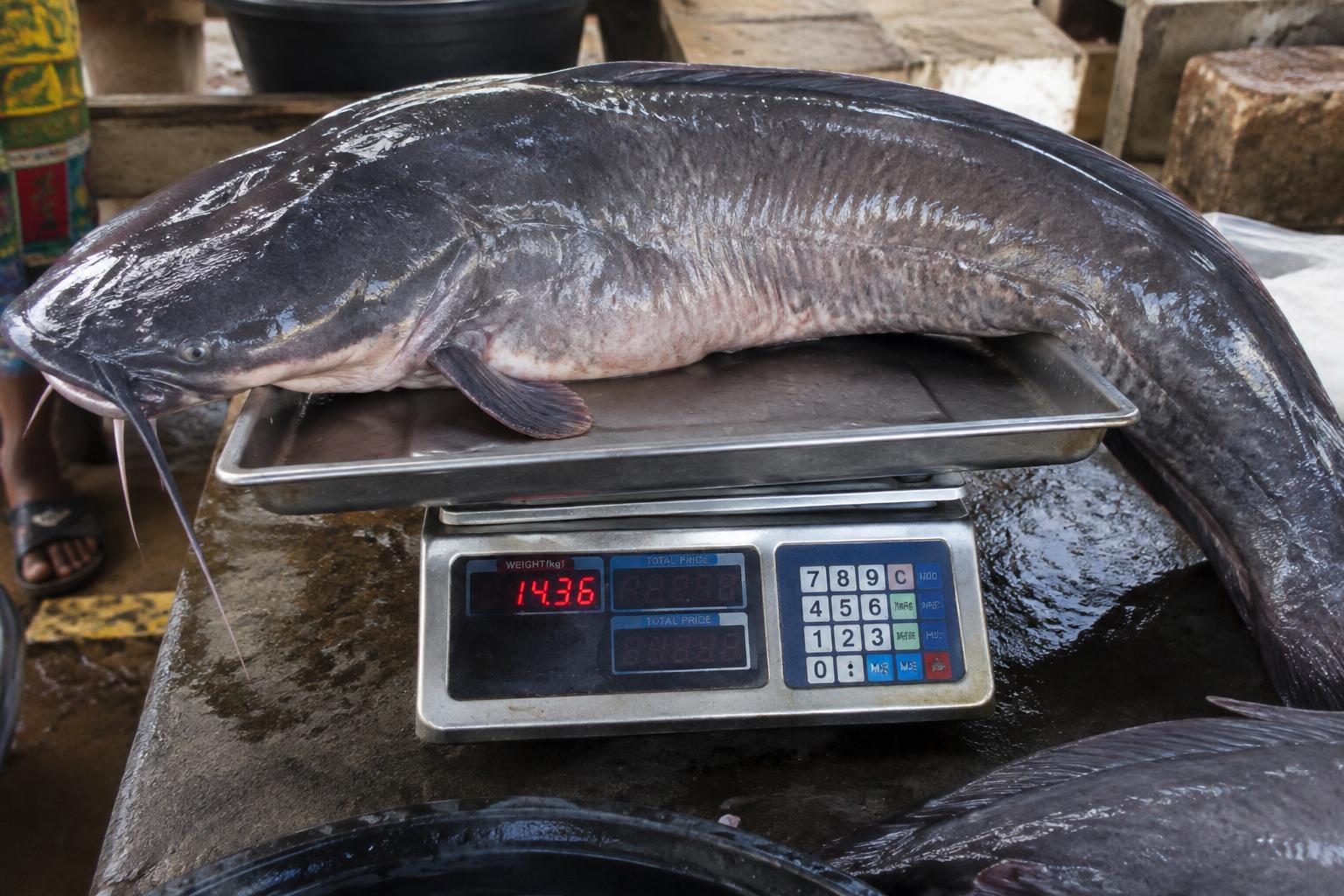
Fresh catfish weighed on a scale at the farm

Nutrition at a glance

Protein — 18–20 g per 100 g
Complete protein for muscle repair, growth and recovery.
Calories — 105–120 kcal per 100 g
Lean enough for weight-loss and diabetic-friendly meals.
Omega-3 fats — EPA & DHA
Supports heart rhythm, healthy cholesterol and brain function.
Vitamin B12 — Over 100% of daily need
Fights fatigue and supports red blood cells and nerves.
Vitamin D — Meaningful amounts
Helps the body absorb calcium for stronger bones.
Selenium & phosphorus — Rich source
Antioxidant protection, thyroid health and bone strength.
Mercury — Low
One of the safer fish for children and pregnant women.

Values are typical averages for cooked catfish and vary with size and cooking method.

What people use our catfish for

  • Everyday family soups: egusi, okro, ogbono, oha, afang and banga
  • Pepper soup for evenings, celebrations, cold weather and nursing mothers
  • Point-and-kill grilled fish for bars, lounges and weekend hangouts
  • Smoked catfish stocked in the kitchen for jollof rice, stews and sauces
  • Peppered catfish and catfish asun as small chops at parties
  • Catfish stew or sauce eaten with yam, plantain, rice or bread
  • Restaurant and hotel supply — consistent sizes, weighed and delivered
  • Event catering: weddings, naming ceremonies, burials and church programmes